Why Meta's New AR Glasses Might Finally Replace Your Phone
Soka Kuon | Jun 26, 2026
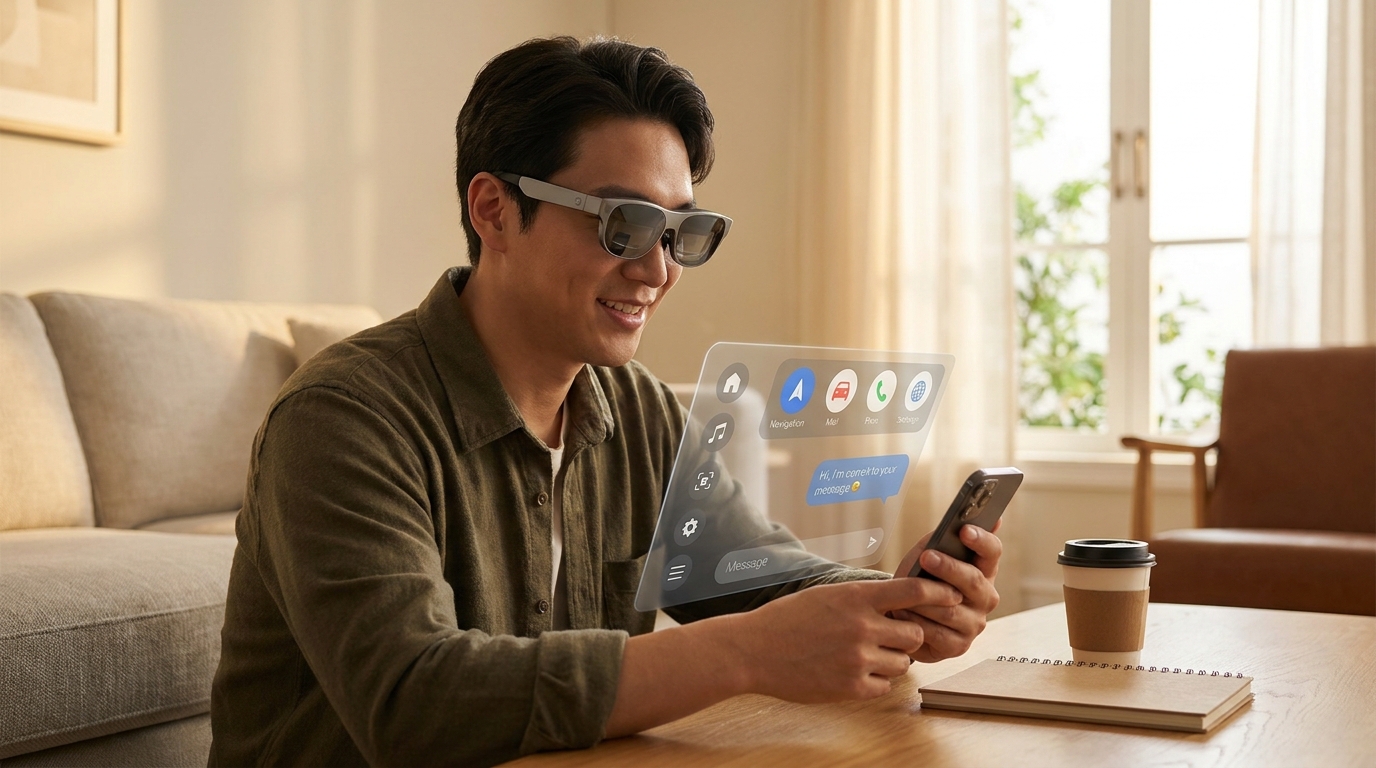
Have you ever felt like you're glued to your phone screen while the real world passes you by? Meta wants to change that by putting your digital life directly into your line of sight without the bulk of a heavy headset. This shift toward stylish, everyday eyewear means the meta new ar 2006 glass technology is finally ready for the spotlight. It's not just a small update but a total rethink of how we interact with the world around us, whether you're at work or just relaxing with your cat at home.
This article breaks down the leap from lab prototypes like the Meta Orion AR prototype to the Ray-Ban Display glasses you can actually buy right now. We'll explore the science of silicon carbide lenses and how a simple wristband can let you control your tech with just a finger snap. It's a fascinating look at how magnesium frames and AI are working together to make "glasshole" culture a thing of the past while keeping you connected to what matters.
By the time you're done, you'll understand why 2026 is the turning point for wearables. We'll cover everything from real-time translation to the neural tech that reads your muscle signals. So, are you ready to see if these glasses can finally replace your smartphone? Let's jump into the details.
For years, augmented reality felt like a clunky science project. That is finally changing. Meta is moving away from bulky headsets toward frames you would actually wear to dinner. With the retail launch of the Meta Ray-Ban Display glasses on September 30, 2025, the dream of leaving your phone in your pocket is getting closer. This is not about strapping a screen to your face. It is about staying present while you live your life.
The tech inside is a massive leap forward. The Orion prototype uses silicon carbide lenses to hit a 70-degree field of view, which is the widest we have seen in this size. By using a lightweight magnesium frame and a separate wireless compute puck, Meta finally solved the weight problem. This shift in technology: meta new ar 2006 glass and the upcoming 2026 models shows that 2025 is the real turning point for wearables.
Control is also getting a human touch. Instead of waving your arms, the Meta Neural Band uses EMG to turn tiny muscle twitches into commands. It is subtle enough to use in public without looking odd. As Mark Zuckerberg put it, this is about accomplishing tasks without breaking your flow. What does this mean for you? It means the next phone you buy might actually be a pair of glasses.
Key insights:
- Meta is shifting from lab prototypes like Orion to retail-ready AI glasses like the Ray-Ban Display series.
- Material breakthroughs like silicon carbide and magnesium frames are making wide-FOV glasses light enough for daily use.
- The Meta Neural Band replaces awkward hand-tracking with subtle muscle-signal control for private interaction.
More Than a Screen: What Makes These Glasses Different?
We have seen smart glasses before, but they usually feel like a tiny notification box floating in your peripheral vision. Meta is trying to change that by moving away from top-secret lab projects and putting actual augmented reality into frames you might actually wear. It is a tricky balance. How do you pack enough processing power into something that does not look like a bulky helmet? The answer lies in a mix of new materials and some clever engineering that separates the brain from the eyes.
Take the Orion prototype. It is a massive technical win because it hits a 70-degree field of view, which is the widest anyone has managed in this form factor yet. To keep things from getting too hot or heavy, Meta used magnesium frames and specialized silicon carbide for the lenses. But the real secret is the wireless compute puck. Instead of stuffing every chip into the frame, the heavy lifting happens in a device in your pocket. This keeps the glasses light enough to wear while you are just hanging out in your living room.
If Orion is the future, the Ray-Ban Display glasses are the right now. These became available in late September 2025 and focus on being useful without being distracting. Unlike a full headset, the display is mounted to the side so you stay present in the real world. You get AI assistance that can see what you see, but it still looks like a classic pair of Wayfarers. It is about helping you finish tasks without breaking your flow. Plus, with the new neural wristband, you can control things with tiny muscle movements instead of waving your arms around in public.
This shift matters because it stops being about strapping a phone to your face. It is about making technology feel natural. Whether it is the high-end Orion or the retail-ready Ray-Bans, the goal is the same. They want to make the digital world feel like a part of your physical one instead of a replacement for it.
Key insights:
- The 70-degree field of view in the Orion prototype is a record-breaking achievement for AR eyewear.
- Offloading processing to a wireless puck allows the glasses to remain lightweight and stylish.
- Neural wristbands using EMG technology allow for subtle and socially acceptable gesture control.
The Orion Prototype: A 70-Degree Window to the Future
Imagine putting on a pair of glasses and seeing digital worlds that do not feel like you are looking through a tiny mail slot. That is the big deal with Meta’s Orion prototype. It hits an approximately 70-degree field of view, which is the widest anyone has managed to fit into a real glasses form factor so far. To get there, they did not use basic plastic or heavy glass. Instead, they used optical-grade silicon carbide for the lenses. This material is a massive technical win because it allows for high clarity and that wide view without the distracting rainbow effects often seen in older AR tech.
But how do you keep something this powerful from getting too hot or feeling like a lead weight on your nose? The secret is in the materials and the layout. The frames are made from lightweight magnesium, which is great at pulling heat away from the electronics while keeping the device durable. Also, Meta moved the heavy lifting to a wireless compute puck you keep in your pocket. This offloads the processing power so the glasses can stay slim and comfortable. It is a major evolution for technology: meta new ar 2006 glass style concepts finally becoming real, wearable tools.
The interesting part is that this design is not just about a screen. It is about staying in the flow of your daily life. By using a neural wristband that reads muscle signals, you can control the glasses with tiny, private gestures like a finger snap. When you combine that subtle input with the magnesium cooling and the wide display, you get a device that feels less like a gadget and more like a natural part of your wardrobe. It is a glimpse into a future where your phone stays in your pocket because your glasses do everything better.
Key insights:
- Silicon carbide lenses provide a 70-degree field of view while maintaining high optical clarity.
- Magnesium frames and a wireless compute puck solve the traditional AR problems of heat and weight.
- The combination of a wide display and neural wristband input makes AR feel socially acceptable and easy to use.
Ray-Ban Display: The Pair You Can Actually Buy Now
Remember those futuristic glasses we've been promised for years? The wait is finally over. On September 30, 2025, Meta released the Ray-Ban Display glasses for everyone to buy. This isn't just a prototype meant for a lab; it's a pair of stylish frames you can wear while walking the dog or grabbing a coffee without looking like a cyborg. It’s the first time this kind of tech has felt truly ready for the real world.
The magic is in the side-mounted display. Unlike bulky headsets that block your vision, this screen stays off to the side so it doesn't get in the way of your life. Mark Zuckerberg explained that the goal is to help you finish tasks without breaking your flow. It’s perfect for getting quick AI help while keeping your eyes on the world around you, or just keeping an eye on your cat’s latest case of the zoomies.
Control is just as easy thanks to the Meta Neural Band. This wristband uses electromyography to read muscle signals, so a simple finger snap or tiny gesture lets you navigate menus. It’s a subtle way to use your tech in public without having to wave your arms around or talk to yourself. Because it blends into a classic Ray-Ban look, AR finally feels like a natural part of our daily routine.
Key insights:
- The September 2025 launch marks the official shift from internal R&D to commercially available AR eyewear.
- A side-mounted display allows for constant AI assistance without obstructing the user's primary line of sight.
- The EMG-based Neural Band provides a socially acceptable way to control devices through micro-gestures.
The Secret Sauce: Silicon Carbide and Magnesium
Have you ever wondered why augmented reality glasses usually look like bulky ski goggles? The problem isn't just the computers; it's the glass itself. Standard glass lenses simply can't handle the physics required for a wide field of view without becoming impossibly thick or heavy. This is where Meta’s Orion prototype breaks the rules by using optical-grade silicon carbide. This material is a total game-changer because it has a high refractive index, allowing light to bend much more sharply within a thinner space than traditional materials ever could.
The result is a massive 70-degree field of view, which is currently the widest available in a pair of glasses. But it's not just about the size of the digital image. If you've used older AR tech, you probably noticed a distracting rainbow effect or blurry edges that ruined the immersion. Silicon carbide solves these clarity issues, making digital objects look like they actually belong in your physical space. It is the difference between looking through a clear window and looking at a low-quality projection.
Getting the visuals right is only half the battle. You still have to fit a high-end computer onto your nose without it feeling like a lead weight or overheating. To pull this off, the frame is built from lightweight magnesium. This choice is about more than just durability; magnesium is excellent at pulling heat away from the tiny sensors and processors tucked inside the arms of the glasses. It acts as a built-in cooling system for the hardware.
Think about the last time your phone got hot while you were using it. Now imagine that heat sitting right against your temple. By using magnesium and shrinking sensors to their absolute limits, the design keeps the glasses comfortable for long-term use. It is a delicate balance of material science and thermal engineering that keeps the hardware cool and light while you are busy interacting with the digital world.
Key insights:
- Silicon carbide allows for a 70-degree field of view while keeping lenses thin.
- Magnesium frames serve a dual purpose as a lightweight structure and a thermal heat sink.
- Material science breakthroughs are the only way to move AR from bulky headsets to everyday eyewear.
Miniaturization: How to Fit a Computer on Your Nose
Think about your favorite pair of glasses. They are light and easy. Now imagine stuffing a processor and sensors into that same frame without making them heavy or hot. Meta is doing this by using a magnesium frame. It is lightweight and pulls heat away so the tech does not toast your face. It is a huge step toward making AR feel like normal clothing rather than a bulky gadget.
To get a wide 70-degree field of view, they used thin silicon carbide lenses instead of thick glass. They also moved the heavy battery and brain to a wireless puck in your pocket. This keeps the weight off your nose so you do not get a headache after an hour. By splitting the tech up, they finally made a computer you can actually wear comfortably while you go about your day.
Key insights:
- Magnesium frames solve the heat problem by pulling warmth away from the user's skin.
- Using a wireless compute puck allows the glasses to stay slim and lightweight.
- Silicon carbide lenses provide a massive field of view without adding bulk to the frames.
Controlling Tech with Your Mind (Sort Of)
Have you ever seen someone wearing a headset and frantically swiping at thin air? It looks a bit ridiculous. We have all been there, feeling like we are part of a weird mime performance just to open an app or scroll a page. Meta is trying to fix that social awkwardness by moving away from big and sweeping hand gestures. Instead of your glasses needing to see your hands at all times, they are shifting the control to your wrist.
This is where the Meta Neural Band comes in. It is not actually reading your thoughts, but it is the next best thing. By using electromyography, or EMG, the band picks up the tiny electrical signals your brain sends to your muscles. When you snap your fingers or flick a thumb, the band feels that intent before your hand even moves much. It means you can scroll through a menu with your hand resting in your pocket or sitting on your lap. It is subtle and fast. It feels much more like a natural extension of your body than a piece of hardware you have to fight with.
The shift to micro-gestures like finger snaps is the real change for daily life. Think about being on a crowded train. You do not want to be elbowing people just to check a notification. With this tech, a simple pinch or a tiny finger movement does the trick. It is about keeping you in your flow. Mark Zuckerberg mentioned that this isn't about strapping a phone to your face. Instead, it is about helping you finish tasks without breaking your focus on the real world.
We all remember the era where wearing smart tech made you look like a walking privacy violation. The goal now is to make AR glasses look and feel like normal eyewear. Using a wristband for control plays a huge part in making this socially acceptable. When you use voice commands, everyone hears you. When you tap the side of your glasses, everyone sees you. But with wrist-based input, you get a level of privacy that voice and touch just cannot offer. It is much less intrusive for the people around you.
It is a move toward what people call subtle computing. By using materials like lightweight magnesium for the frames and silicon carbide for the lenses, the hardware is becoming much less bulky. But the real magic is the interface. If you can control your digital world with a movement so small it is almost invisible, the technology finally stops being a barrier between you and the people around you. It becomes less about the gadget and more about the connection.
Key insights:
- EMG technology allows for control without the cameras needing to see your hands.
- Wrist-based input provides more privacy than voice commands in public spaces.
- Micro-gestures help AR blend into social situations without looking awkward.
- The use of magnesium and silicon carbide helps keep the glasses lightweight and clear.
The Death of 'Glasshole' Culture
Remember when wearing smart glasses made you look like a walking surveillance camera? Nobody wanted to be that person. But Meta's new approach is changing the vibe by making these devices look like actual eyewear. By launching the Ray-Ban Display glasses in September 2025, they have prioritized style over bulk, finally moving past the awkward 'glasshole' era.
The real magic is in how you control them. Instead of waving your hands in the air or shouting at an AI, you use a Neural Band on your wrist. This band uses electromyography (EMG) to read tiny muscle signals. You can flick through menus or snap your fingers to select something without anyone else even noticing. It is private, subtle, and does not require you to look like you are fighting invisible bees.
Think about how rude it feels to check a phone during a chat. These glasses fix that. The display is tucked off to the side, and the wrist input means your hands stay relaxed at your side. It keeps you in the moment. This shift toward 'invisible' computing is exactly what AR needs to move from a tech experiment to something we actually want to wear every day.
Key insights:
- Subtle wrist gestures replace awkward hand-tracking and loud voice commands.
- Stylish frames like the Ray-Ban Display help AR blend into daily life.
- Neural input via EMG allows for private interaction in public spaces.
What Can You Actually Do with Them?
Ever feel like your phone is a wall between you and the rest of the world? Mark Zuckerberg recently pointed out that these glasses aren't about strapping a phone to your face. They are about staying in the moment. Imagine walking through a busy street in Tokyo and seeing translation text floating right next to a menu. Because the Meta Ray-Ban Display glasses hit the shelves on September 30, 2025, this isn't just a lab dream anymore. You can look at a sign and understand it instantly without ever reaching for a device in your pocket.
It goes way beyond just reading text. The Orion prototype uses special silicon carbide lenses to give you a massive 70-degree field of view. This wide window means digital labels can live on real objects. You might look at a houseplant and see its last watering date or look at a broken sink and see a repair guide overlaid on the pipes. Since the frame is made of lightweight magnesium, you won't feel like you are wearing a heavy computer. It is meant to be part of your outfit, not a burden on your nose. The tech is hidden so well that you are just living your life with a little extra help.
The way you control all this is where it gets really interesting. Instead of waving your arms around in public, you use a Neural Band. This wristband uses electromyography to pick up tiny muscle signals from your arm. You just snap your fingers or make a small gesture to scroll through messages. It is subtle enough to use on a crowded train without drawing looks. This shift toward neural input shows a move toward tools that feel like a natural extension of your body. You get to finish your daily tasks and stay connected without ever breaking your flow.
Key insights:
- The move from bulky headsets to magnesium frames makes AR glasses comfortable for all-day use.
- Neural wristbands allow for private control that does not require you to touch the glasses or wave your hands.
- Wide-angle lenses made of silicon carbide turn the entire world into a clickable, labeled interface.
Common Questions About Meta's New AR Tech
You might have seen people searching for the meta new ar 2006 glass and wondered if Meta is suddenly releasing tech from two decades ago. It is a bit of a naming muddle, but what is actually happening is a massive leap forward in how we use wearable tech. The confusion usually stems from internal project codes or model generations, but the real story is about two specific devices: the Orion prototype and the new Ray-Ban Display glasses. One is a glimpse of the future, while the other is something you can actually put on your face right now.
A big concern is always battery life and heat. Nobody wants a hot computer strapped to their temples. Meta solved this with Orion by using a magnesium frame for better cooling and moving the heavy processing to a wireless compute puck that sits in your pocket. They also ditched standard glass for silicon carbide lenses. This material is a game changer because it allows for a 70-degree field of view, which is basically the widest we have ever seen in glasses this slim. It means the digital images do not just feel like a tiny box in the middle of your vision; they actually feel part of your world.
Privacy is the other elephant in the room. How do you control these without looking like you are swatting invisible flies in public? That is where the Neural Band comes in. Instead of relying only on cameras to track your hands, this wristband uses electromyography to sense tiny muscle movements. You can just snap your fingers or tap your thumb against your hand to scroll or click. It is subtle, private, and feels much more natural than talking to a voice assistant while you are standing in line for coffee.
If you are looking to buy, keep in mind that Orion is still an internal tool for Meta to test what is possible. However, the Meta Ray-Ban Display glasses became available on September 30, 2025. These are the ones designed for daily life, featuring a high-resolution display tucked to the side so it does not block your view of the person standing right in front of you.
Key insights:
- The 2006 naming is likely a search glitch or internal code, not a throwback to old tech.
- Silicon carbide lenses allow for a massive 70-degree field of view without the bulk.
- The EMG wristband lets you control the glasses with micro-gestures that others won't even notice.
- Orion remains a prototype, but the Ray-Ban Display version is the retail path for most users.
The Big Picture: Is the Smartphone Era Ending?
Think about how much time you spend staring down at a slab of glass. It is a bit weird when you really consider it. Meta is betting that the future isn't in your pocket, but right in front of your eyes. By merging AI that can see what you see with AR hardware like the Orion glasses, they are building a world where your digital life fits into your physical one. This isn't just about getting notifications; it is about a 70-degree field of view that lets digital objects actually live in your room.
The tech here is a huge leap from old-school headsets. Instead of heavy glass, they are using optical-grade silicon carbide for the lenses to keep things clear and wide. They even moved the heavy processing to a wireless compute puck you keep in your pocket. But the real phone killer might be how you control it. Instead of waving your arms around in public, you wear a neural wristband. It uses electromyography to pick up tiny muscle movements, so a simple finger snap or flick can answer a call or scroll a page without anyone else even noticing.
So, are we ready to ditch the smartphone? Not quite yet, but the roadmap is getting shorter. The Meta Ray-Ban Display glasses that hit shelves in late 2025 show that this tech is finally becoming something people actually want to wear. It is less about strapping a computer to your head and more about staying in the moment. We are moving toward a time where looking something up doesn't mean looking away from the person you are talking to. That is a big shift in how we connect.
Key insights:
- Silicon carbide lenses and magnesium frames are solving the weight and clarity issues that held back previous AR attempts.
- The shift from camera-based hand-tracking to neural wristbands makes using AR in public feel natural and private.
- Offloading processing to a pocketable puck allows the glasses to stay slim enough for daily wear while maintaining high performance.
Frequently Asked Questions
What is the difference between Meta Orion and Ray-Ban Display glasses?
The main difference is that Orion is a high-tech prototype while the Ray-Ban Display glasses are a finished product you can actually buy. Think of Orion as a peek into the future, featuring a massive 70-degree field of view and lenses made from silicon carbide. It uses a separate wireless puck to handle all the heavy lifting so the frames stay light and comfortable.
The Ray-Ban Display version, which launched in late 2025, is more about being a daily helper. Instead of a full-screen overlay, it has a high-res display tucked to the side. It is designed to help you finish tasks without pulling you out of the moment, which is perfect for checking a notification while you are busy wrangling a curious kitten.
How does the neural wristband actually work?
The wristband uses something called electromyography to turn your muscle movements into digital commands. It essentially listens to the electrical pulses your brain sends to your wrist and fingers. When you make a small gesture like a finger tap, the band translates that signal instantly to control your glasses.
Here is why that matters: you can control your tech without looking like a robot. Since it does not rely on cameras to track your hands, you can skip tracks or reply to messages with your hands in your pockets or while you are busy scratching a cat behind the ears. It is a huge step toward making technology feel natural and private in public spaces.
Can I buy the Meta Orion AR glasses right now?
Actually, no, you can't get your hands on the Orion glasses just yet. Right now, they're an internal prototype that Meta is using to show off what's possible for the future. Think of them as a sneak peek at where things are headed rather than something you can add to your cart today.
But here's the good news: if you're looking for something you can actually wear right now, the Meta Ray-Ban Display glasses are available. Those hit the shelves on September 30, 2025. They're designed to help you handle quick daily tasks without you having to pull out your phone and break your flow.
What are the lenses made of and why does it matter?
Meta used a material called optical-grade silicon carbide for the Orion lenses. It sounds like something out of a science lab, but it's the secret to why these glasses look so good. This specific material allows for a 70-degree field of view, which is the widest anyone has managed to pack into a normal-looking pair of glasses so far.
It also solves a big problem in the AR world: clarity. By using silicon carbide, they've managed to cut down on those weird rainbow effects and stray light that usually mess with the image. It's all about making sure the digital icons and screens look sharp and feel like they really belong in your environment.
Conclusion
So, what is the bottom line? We are seeing the start of a real shift from staring at a phone in our hands to seeing the world through smart lenses. Meta's new AR 2006 glass technology and the Orion prototype show that wearable gear is finally getting small and smart enough to use every day. By using materials like silicon carbide and magnesium, they have solved the old problems of weight and heat while keeping everything looking like normal, stylish eyewear.
The neural wristband is a huge deal because it lets us control our digital lives with tiny, private movements. This move away from bulky headsets and awkward hand gestures means tech is becoming part of our outfit rather than a distraction. It is a much more natural way to stay connected without feeling out of place in public or losing touch with the people right in front of you.
As we head toward 2026, keep an eye on how these devices evolve. Your next move might be to try a pair of smart glasses for yourself to see how that side-mounted display feels in person. The smartphone era is not ending tonight, but the days of being stuck to a handheld screen are definitely numbered. The future looks bright, and it is right in front of your eyes.